As NIRSA continues to grow, evolve, and develop over the years, we must consider who came before us and what we are leaving for the next generation. Although it is important to embrace our history to understand our foundations, values, and perspectives, it is most important to ‘pay it forward’ to sustain all our past efforts. This is how Michael (Mick) Deluca thinks as he continues his career.
Mick now serves as the Associate Vice Chancellor of Campus Life at the University of California – Los Angeles. Before serving as Associate Vice Chancellor, Deluca held roles as Associate Director and then Director of the Department of Cultural and Recreational Affairs.
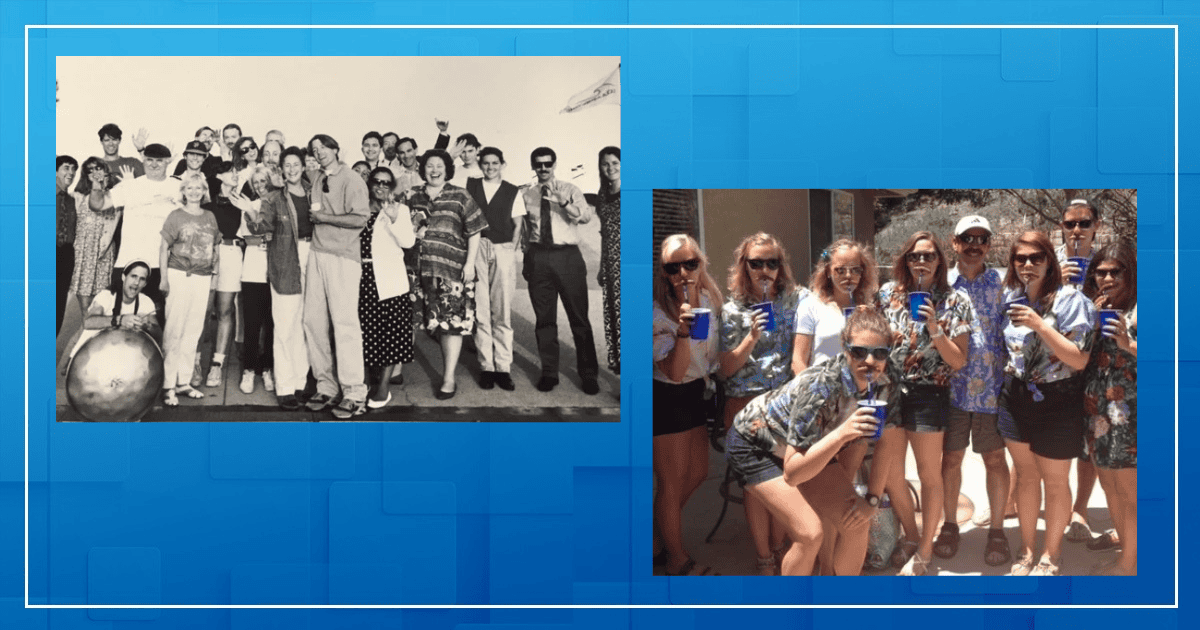
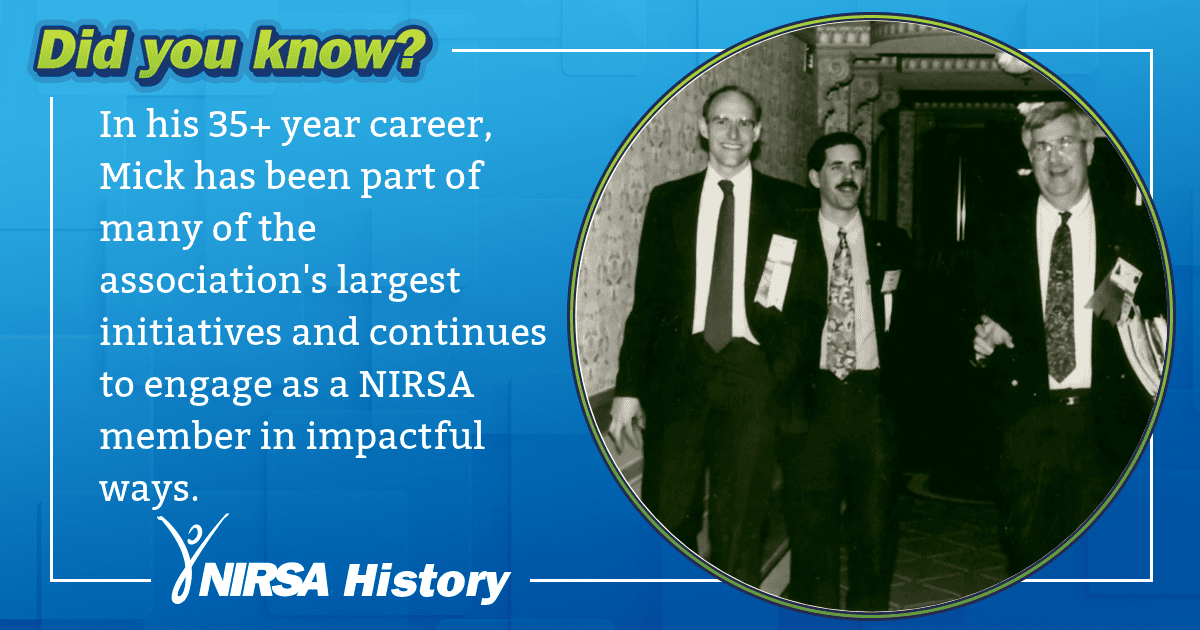
In his 35+ year career, Mick has been part of many of the association’s largest initiatives and continues to engage as a NIRSA member in impactful ways. Mick was given the NIRSA Honor Award in 2016 and the NIRSA Foundation Leadership Award in 2025. In a conversation with Mick about his career and experiences, we gained insights into how he operates, what he cherishes, and how he continues to seek joy.
A shortlist of contributions
The collaboration and conversations among colleagues across the nation enable Mick to be a continual learner and a source of inspiration. “I have had the honor and privilege to be involved in so many aspects of NIRSA, and no contribution or accomplishment comes without the collective work of amazing colleagues, but I offer a few highlights,” Mick says.
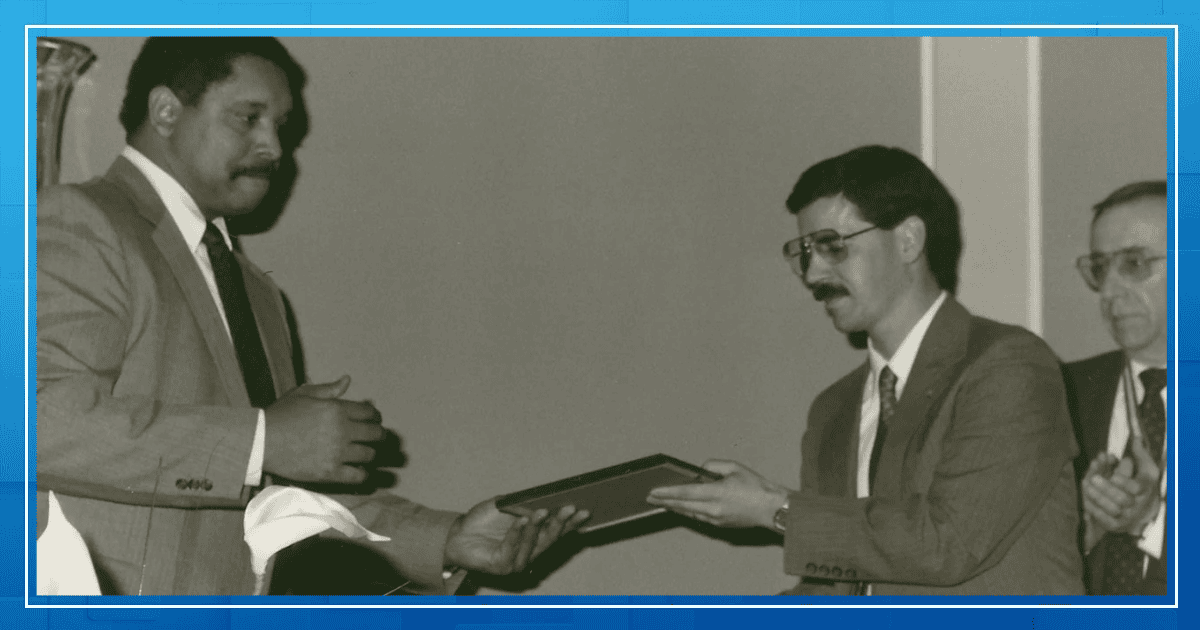
These highlights include contributions to the following:
- The NIRSA Foundation – Established to support the future of collegiate recreation programs and professionals. The Foundation supports research grants, professional development, and educational opportunities through scholarships and travel grants. Mick took part in developing the guidelines and implementing these core programs.
- The NIRSA Services Corporation (NSC) – The ownership and value of the sports opportunities and championship tournaments for college student participants and collegiate recreation professionals who volunteer as tournament staff. The NSC also oversees and aligns with the NIRSA Championship Series to create innovative professional development opportunities.
- NIRSA’s Governance Commission and the implementation of governance transition.
- Co-location of the NIRSA-ACPA Conference and the celebration of the Centennial of the Profession.
- Adoption of NIRSA Strategic Values – NIRSA recognizes that forward-thinking involves continual feedback and its consideration for the future of campus recreation. By adopting a new framework for ideas, these strategies can be implemented with grace and ease.
- Advocating for inclusion: support for LGBTQ recognition and the Special Olympics.
- Opportunity to serve as Host for two National Conferences.
- Establishment of UCLA Recreation Summer Internship Program – One of the most competitive and conducive internship programs within campus recreation, the UCLA program allows undergraduate and graduate students to gain a holistic understanding of the field. With positions across all areas, the program allows students to gain a deeper understanding of what a collegiate recreation career looks like in a fast-paced environment.
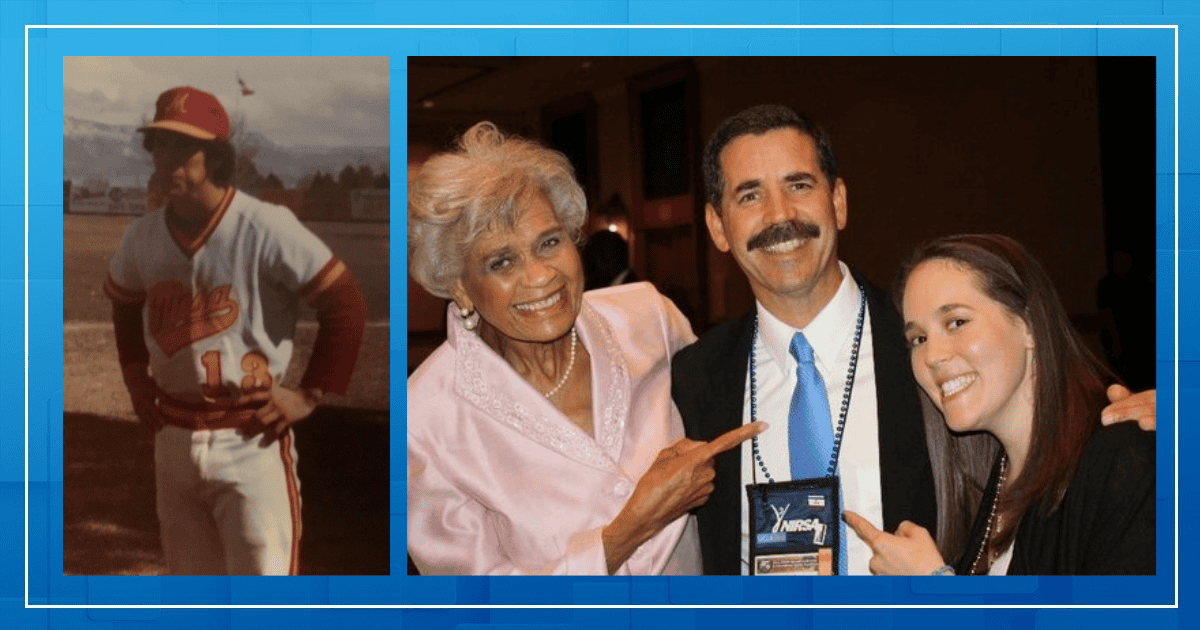
In a career filled with changes, it helps to be creative
At the start of Mick’s career, the landscape of collegiate recreation looked different from what it does today. Mick says, “In my initial years, it was the programs and activities. While gender opportunities were greater than in other areas of sport, there were still gaps, and many systems were designed around male opportunities.”
From developing new programs to chatting with students about their needs and wants, Mick and other professionals saw a shift in opportunities for all genders. Aerobic exercise became a growing interest among students in the 90s. This interest allowed campus recreation professionals to rethink facility development, available spaces for use, management, and operations. The drive for new programs and expanding opportunities “brought on the need for greater fiscal management of referendum funds and for generating income through creative programs, and membership programs.”
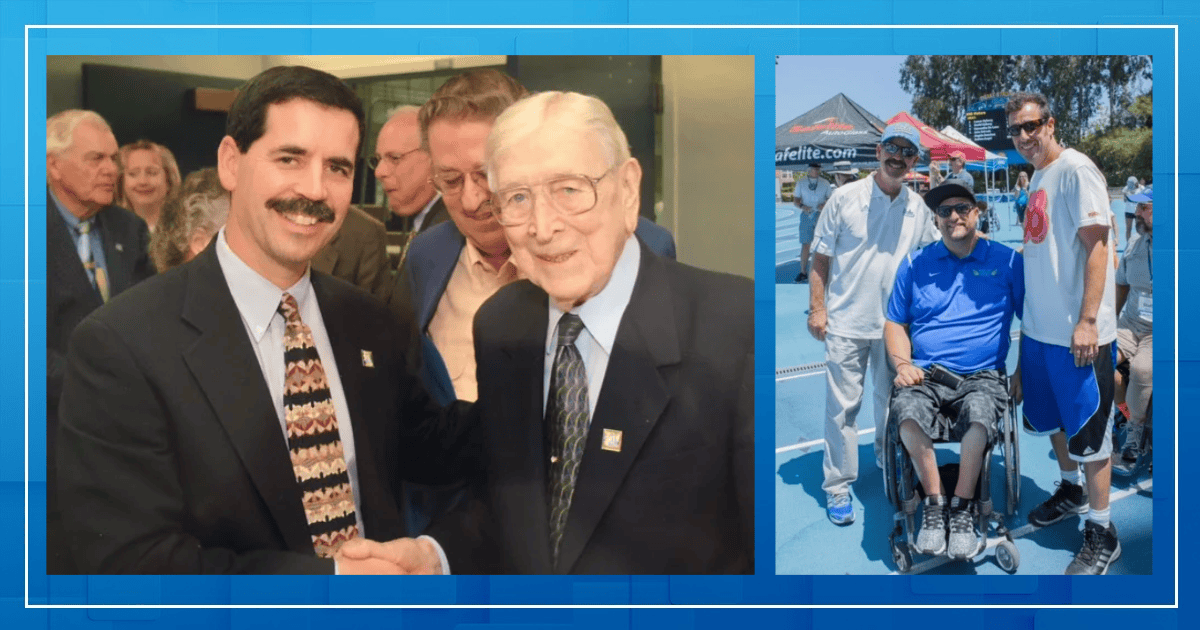
As time went on, Mick recognized an awareness that modernizing campus recreation centers across the country to “focus on inclusive activities, serving the entire campus population, and addressing the needs of students and the campus community.” Campus recreation programs became the heart of universities, and the students yearned for more from the department.
“All of this then ushered in the era of a broad definition of wellbeing and a more integrated, connected delivery of campus services. At the core of this is students, and one of the true assets of collegiate recreation is student employment. In most settings, collegiate recreation is one of the largest student employers on campus, and it is no better example of work-and-life competency development,” Mick adds.
Mick’s place in the NIRSAverse
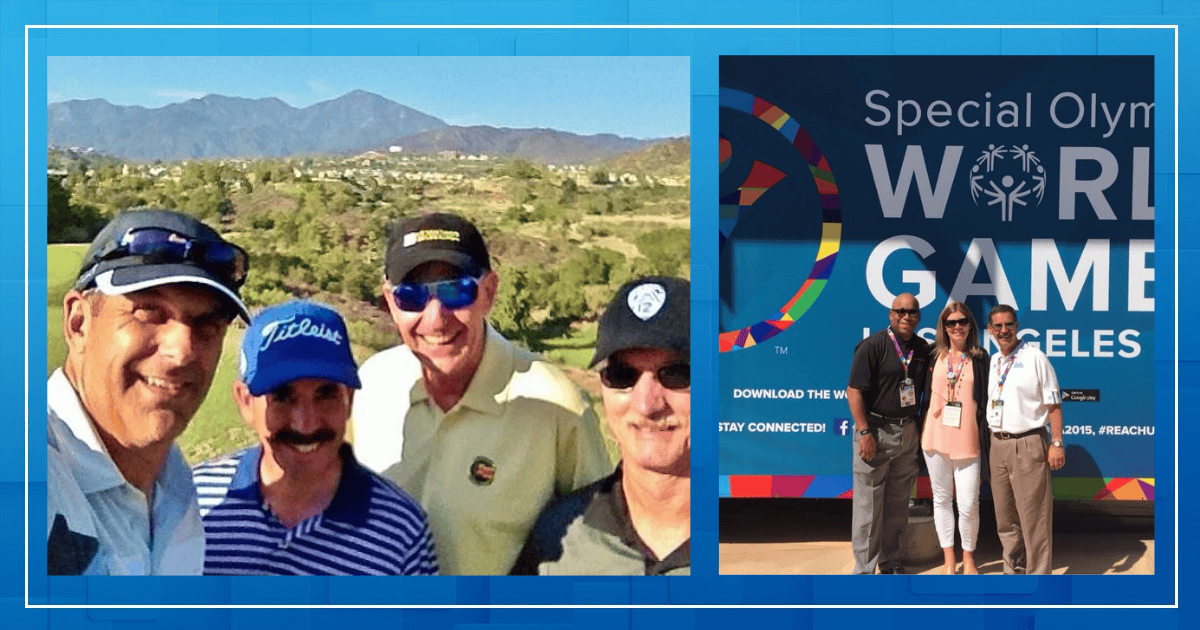
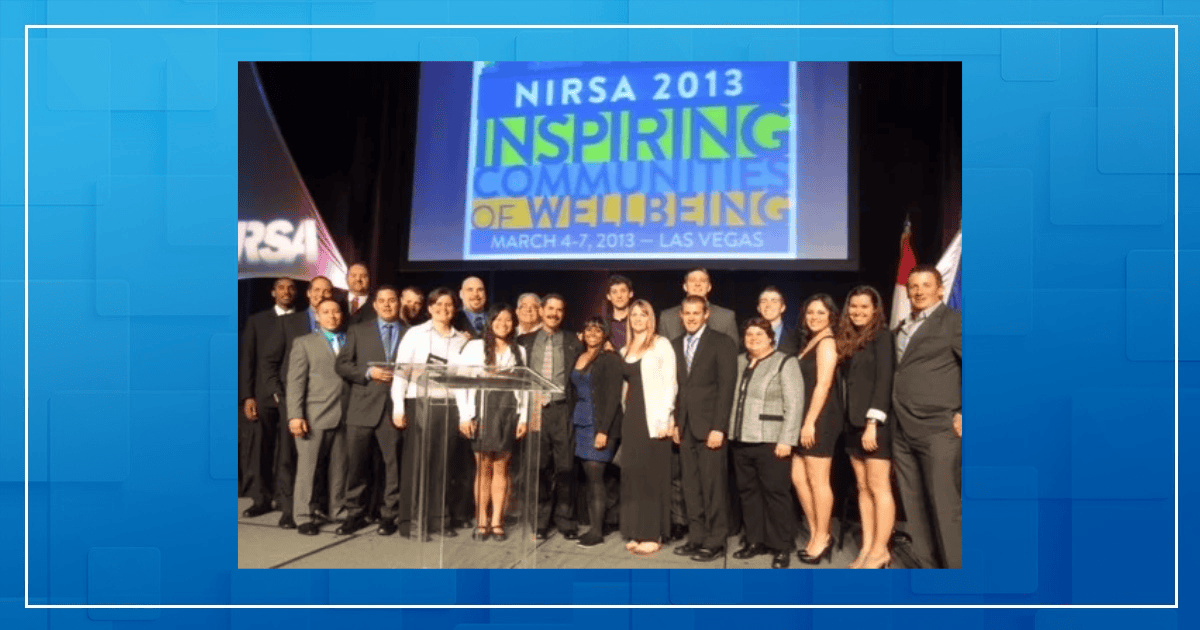
Mick has many fond memories of his time in NIRSA and his career in campus recreation. He says, “Each NIRSA Conference has turned into a significant and meaningful event, but I highlight the co-located conference with NIRSA-ACPA in 2013 in Las Vegas. I also think the establishment and 20-year run of the NIRSA Foundation Golf Tournament at the NIRSA Conference was truly impactful and highlighted the power of giving through participation….And I have great pride in the coordination and integration that occurred at the 2015 World Special Olympic Games in Los Angeles, where we were able to bring NIRSA and collegiate recreation to the table to discuss inclusion and the launch of collegiate Unified Sports.”
Why NIRSA?
“[It] is more than an association or the home of a profession, it’s a network and family that has defined my professional career,” says Mick. He makes it clear from the get-go that NIRSA holds a special place in his work and personal life. While the association is geared toward shaping professionals in collegiate recreation, it has had a greater impact on people like Mick.
There is a deeper connection between people who have been in the field and want to flourish alongside others. We come together for regional and national conferences, attend the NIRSA Championship Series, and serve on committees alongside others across the organization. These strong relationships are built on a foundation of respect and understanding, allowing professionals to lean on and learn from one another.
Mick learned the importance of “paying it forward” for future generations of professionals entering the profession. As a young professional, he knew he had a lot to learn from others and took the opportunity to educate himself. Now, as a seasoned professional himself, he engrains this lesson in his work for others: “the work is relationship building, and the spirit of team accomplishments. NIRSA was, and is, the foundation of all the values that I aspire to reflect.”
Hopes for the future
Reflection, reevaluation, and the implementation of new ideas are key for professionals to stay relevant in the field and, most importantly, to remain enlightened in their occupations. Mick talks about how he continually reflects on how we pronounce the word recreation. It can be seen as a “second-class persona with intercollegiate athletics and a competition to be relevant in the wellbeing world with student health and student counseling. But if we pronounce the word as re-creation, there is no part of the university community or student experience that we are not integral and relevant to for current and future success.” This idea of knowing who we are as professionals, and not comparing ourselves to others, can spark great conversations about improvements to and enjoyment from the field.
“We can be proud of the past, but still focus on the issues and opportunities in front of us,” says Mick. There is no truer statement for distinguishing who we are as an organization and for keeping in mind that there is room for improvement. Mick has played an integral role in the NIRSA community but could not have done so without the help of others before him and those who will come after him.
Key influences
Some people have been impactful before we entered the field, and others will leave lasting impressions after we leave. Mick recognizes this fact and states that when he looks at his own career, some of the people who have influenced his work/life include: William Wasson and Horace Moody [NIA founders], Will Holsberry, Gene Lamke, Lou Marciani, Bill Manning, Charlie Fisher, Judi Bryant, Mary Daniels, Jan Gong, Juliette Moore, Patti Bostic, Patti Holmes, Tony Clements, Kevin Marbury, Jeff Vessely, Dennis Corrington, Tom Kirch, Sam Hirt, Eric Stein, Maureen McGonagle, Kathleen Hatch, Stan Shingles, Vicki Highstreet, Greg Jordan, Bill Crockett, Tom Dison, Mark Fletcher, Eric Nickel, Dave Koch, Mick McCumber, Suzi Smith.
Who are the Top 10 humans of your NIRSA history?
The History and Legacy Committee is hoping to amplify diverse perspectives as we work to honor the individuals and milestones that have made a positive impact on your NIRSA experiences.
Take a few minutes this week to list up to 10 individuals, from your perspective, who have had the most significant impact on NIRSA, on the profession of campus recreation, and on your NIRSA experience. Don’t worry about listing them in any particular order.
- If you are interested in highlighting your campus or the achievements of a NIRSA member from your campus, pitch us your ideas.