Becoming part of the NIRSA family
For Kimmi, one of the things that makes recreation so special is the way that people seem to just fall into it. “I don’t know many people who went into their freshman year of college saying, ‘I want to be a coordinator of intramural sports.’ It’s more that they wanted to find an on-campus job—something fun that kept them active—and they got the opportunity, loved it, were given more opportunities as a student than any other on-campus job could give them and decided to go for it,” she says. “It’s incredible how rec can serve as either a side hustle—an extracurricular that brings you fulfillment and purpose—or it can be the main thing you want to do with your life.”“Rec can serve as either a side hustle or it can be the main thing you want to do with your life.”
“Mentorship can open you up to possibilities you never even dreamed of considering.”
“No one else usually cares what a 19-year-old thinks, but this Association is built on that and it really inspires younger students to move forward.”
Changing course
Kimmi says that while her path is and always will be in some way connected to recreation, her journey did take an unexpected turn. “When I was applying for jobs after grad school, there was something in me telling me I should venture out and try something different,” she says. “I contemplated getting my PhD or having an experience that I could then bring back into NIRSA, but the other part of me said, ‘no go to UCLA; stay on that path.’” She accepted a FITWELL coordinator position at UCLA but missed being on the health promotion and programming side of things.“I just felt this calling to try something different and newer and broader—something that would have more impact on the wellness of a whole community.”
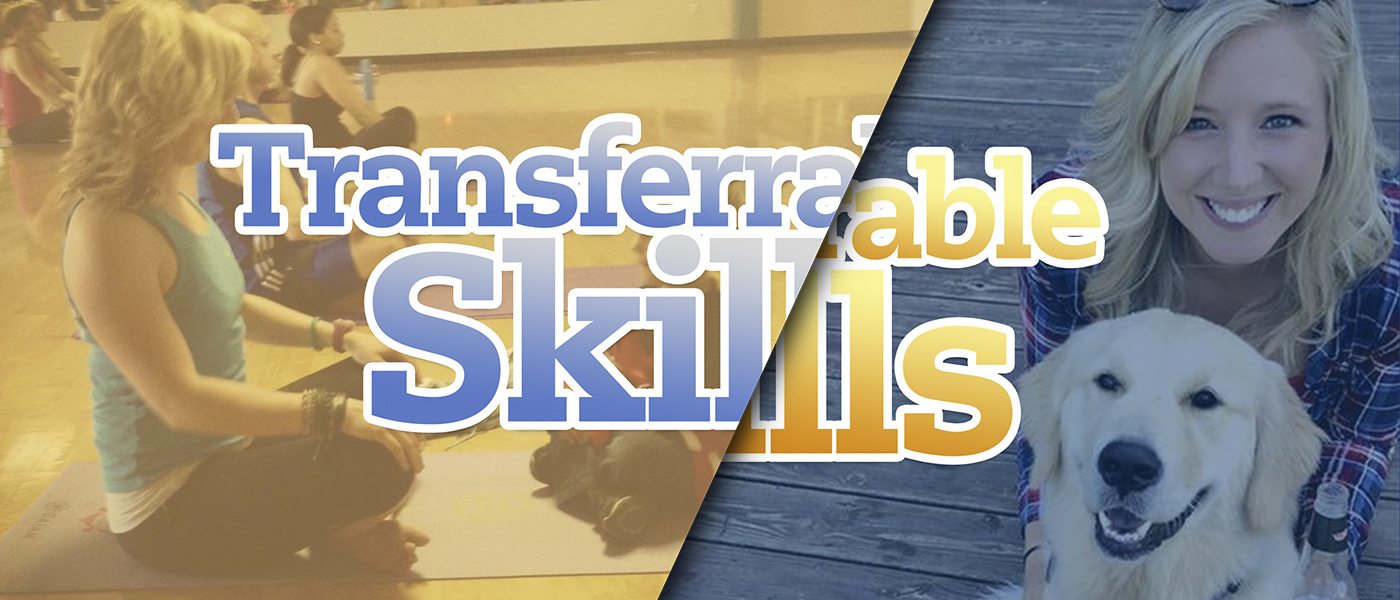
Transferable skills to the rescue
Eventually someone told Kimmi about an opening for a Systems Integration Specialist with the Department of Human Services (DHS), something Kimmi would have never thought she was qualified for at first glance. On further investigation, she found out that it was a position responsible for training caseworkers, family support specialists, and other employees on how to use different assessments and systems throughout DHS. It was a job that entailed public speaking and giving presentations, skills Kimmi was very familiar with after her experience with NIRSA. One component of the interview for the human services position was to give a presentation on any topic. Kimmi used a presentation she had developed for a NIRSA conference. Other experience she had like traveling for professional events, being on the Student Leadership team, and communicating virtually with her colleagues made her a qualified candidate. “My involvement with NIRSA taught me how to integrate with other schools and students from far away and about the diversity of ethnicities, cultures, and experiences,” says Kimmi. “I was able to say with confidence in my interview that my biggest strength was creating amazing relationships with people and using those relationships to create change.” She says she wouldn’t have gone to the interview if she thought she would have to “dance around things or glamorize her work experience.”“The only reason I have this position is because of the experience I gained working within collegiate recreation and volunteering with NIRSA.”
Stronger skills from campus rec experiences
Kimmi’s story exemplifies the findings of the NIRSA White Paper “Considering the Impact of Participation and Employment of Students in Campus Activities and Collegiate Recreation on the Development of the Skills Employers Desire Most.” In 2014, the National Association for Campus Activities (NACA) and NIRSA collaborated and used the “Job Outlook Survey” from the National Association of Colleges and Employers (NACE) to identify the ways that students were gaining skills that made them desirable employees. The findings of the paper showed that students more frequently reported gaining the skills of working in a team structure, verbally communicating, and selling and influencing others from cocurricular activities, rather than in the classroom. “My supervisors in recreation cared about me enough to take the time to form professional relationships with me and give me the experience to supervise staff,” says Kimmi. “They gave me the freedom to create and help out with different programs and get involved in every aspect of recreation. I even had the chance to train in the main office just because I wanted to know what it was all about.” Recreation also gave her experience attending and presenting at conferences, writing proposals and resumes, applying for scholarships, and learning how to present herself in professional settings. “I felt like a professional at 20-years-old,” says Kimmi. “It’s very different coming out of the field and realizing that not all student jobs provide that kind of varied, in-depth experience.” She recalls a presentation she did one year with past president of NIRSA and Assistant Vice President at Central Michigan University Stan Shingles for a Region III conference about building authentic professional relationships.“Everybody who is in any kind of job at all should hear that information. It does not matter that it was at a recreation conference.”
A new perspective on wellness
Kimmi has been in her position as Systems Integration Specialist for about a year now, and she appreciates the way it gives her a different view on wellness. “Wellness is my main focus and I have my fitness experience, but there are so many other aspects that I needed to learn about,” she says. “This job has definitely taught me a lot about different kinds of wellness in regards to mental wellness, social wellness, and how the way you’re brought up and your economic status can affect these different kinds of wellness.”“This job has taught me a lot about mental wellness, social wellness, and how the way you’re brought up and your economic status can affect these different kinds of wellness.”
Advice for the search
Kimmi’s advice for anyone still finding their path is to remember that you can always go outside of recreation and bring what you learn back into the field. “Your lessons still need to be learned, and NIRSA will always welcome you back to teach them,” she says. “That’s why I got a phone call about being interviewed for an article on transferable skills!” She encourages people to take the lessons of recreation to heart and to let them shape one’s personal life as well as professional life. “I go to other conferences now for my job and I wonder why there’s not a full day of volunteering,” she says. “I’m so used to that from NIRSA. Donating my time, talent, and treasure is something I live by every day.” She stresses the importance of being brutally honest with yourself and not just doing what feels safe or what people expect. She points out that you’re not doing anyone any favors—especially not potential employers—when you’re not putting your own happiness and purpose first in order to serve in your fullest capacity.“Always know that no matter where you go, recreation is always going to be a home in one way or another.”
- If you are interested in highlighting your campus or a NIRSA member’s achievements on your campus, pitch us your ideas.