Michigan has a long history of being at the forefront of campus recreation. The University of Michigan is credited with forming the first dedicated department of recreational sports in the country in 1913. Elmer Mitchell–widely regarded as the father of intramurals—made his career in the Great Lakes State. And NIRSA founder William Wasson, who studied under Mitchell, received his Master’s and Ed.D. degrees through the University of Michigan and worked for a large portion of his career at Wayne State University in Detroit. So, the bold call and response, “Region Three – Is the Place to Be!” comes with credibility.
And this year, Michigan is making waves in campus recreation again in a big way for tens of thousands of students! The University of Michigan and Michigan State University are both opening doors to new facilities this spring!
NIRSA connected with leading professionals at these two member institutions to see what advice they could share with colleagues who are considering or pursuing facility construction projects on their campuses. First, though, let’s take a look at some of the unique features found in each facility.
University of Michigan’s Hadley Family Recreation & Well-Being Center
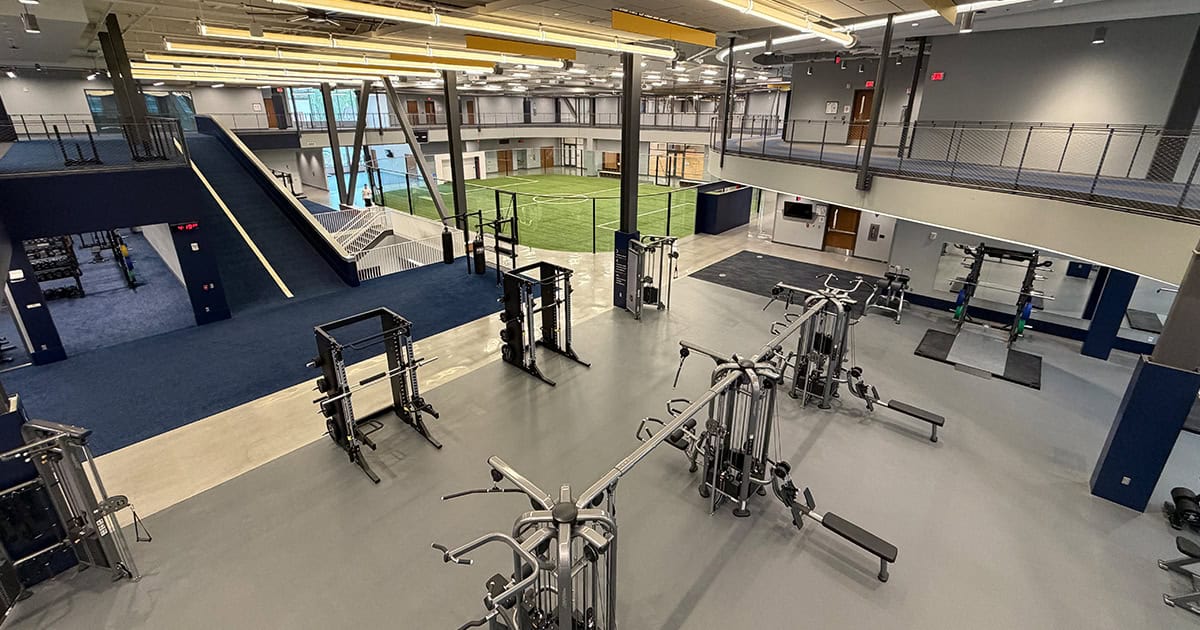
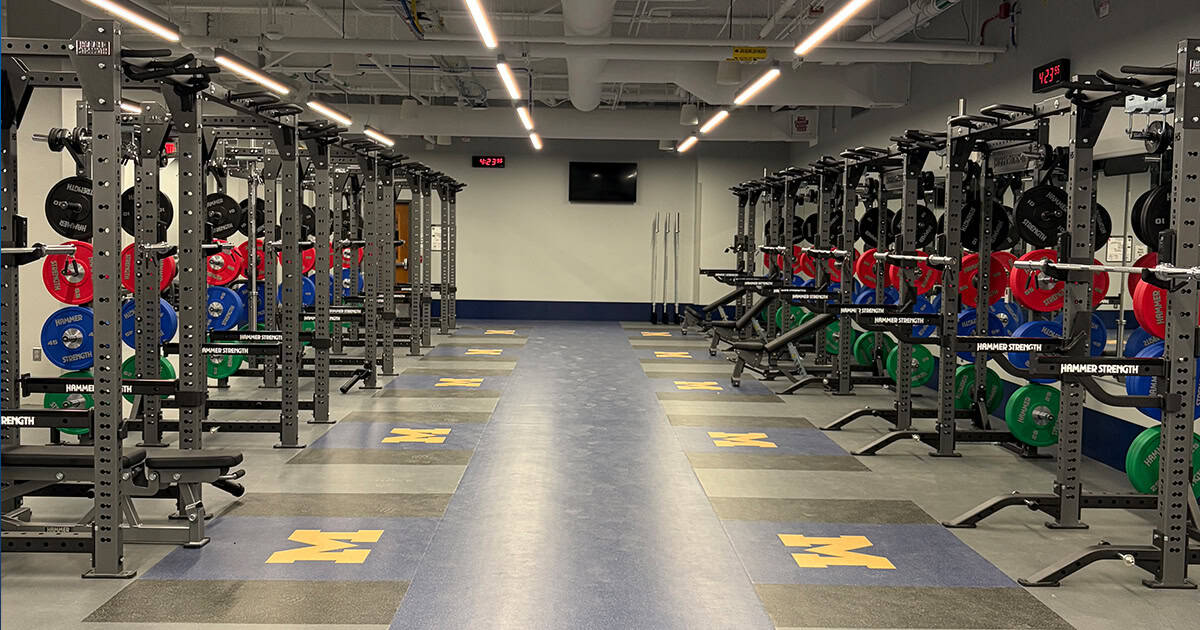
The new Hadley Family Recreation & Well-Being Center facility–set to open in the spring of 2026—will span 200,000+ gross square feet and feature modern gymnasiums, a track for jogging and walking, spaces for weight and cardiovascular training, group exercise rooms, a turf court, an aquatics center with three separate pools, climbing areas for top-rope, bouldering, and speed climbing, courts for squash and racquetball, locker rooms, support, and administration spaces.
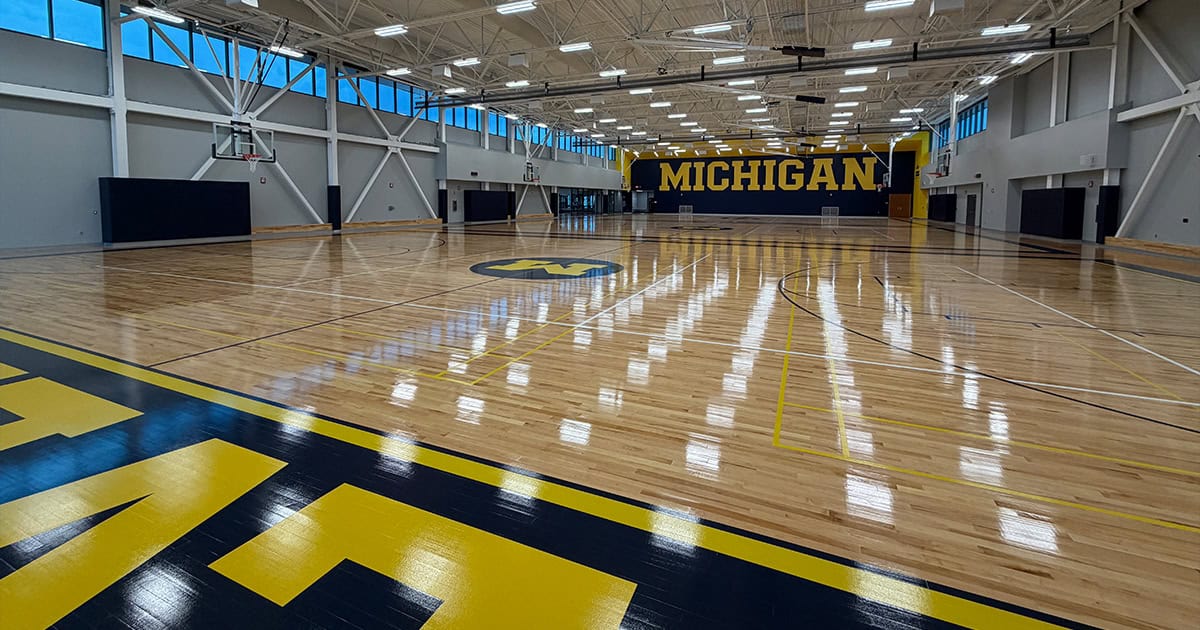
The new space will allow greater access and opportunity for students, faculty, and staff to improve their health and wellbeing. By incorporating a number of sustainability features, the Hadley Center is anticipated to be the first building on Michigan’s campus certified as LEED Platinum.
Michigan State University’s Student Recreation and Wellness Center
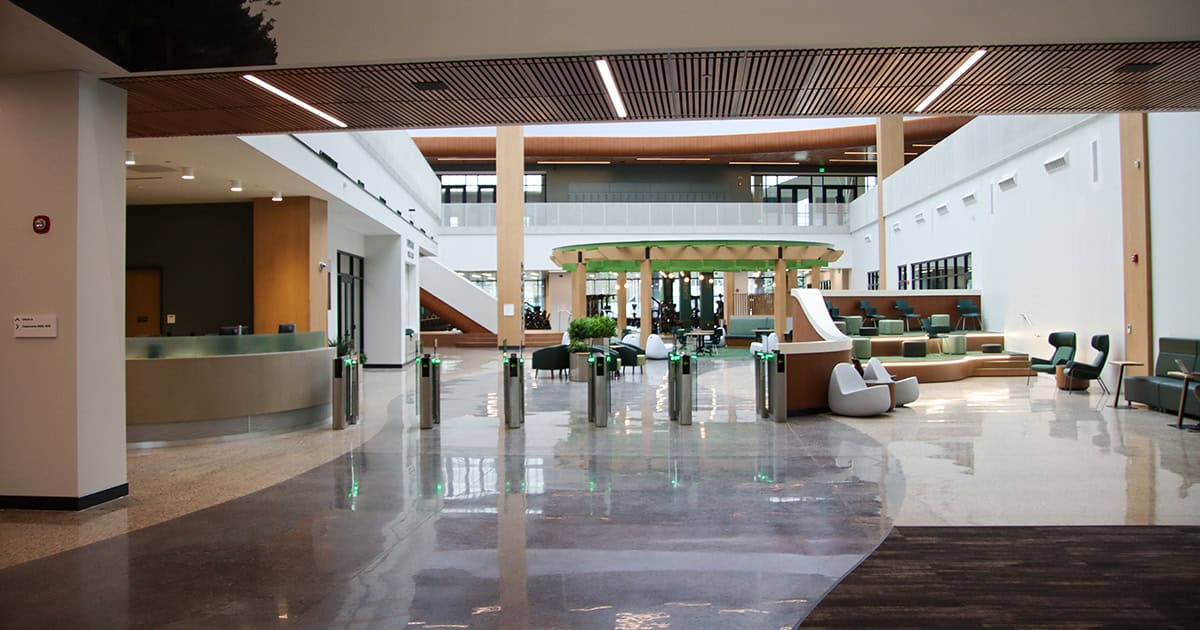
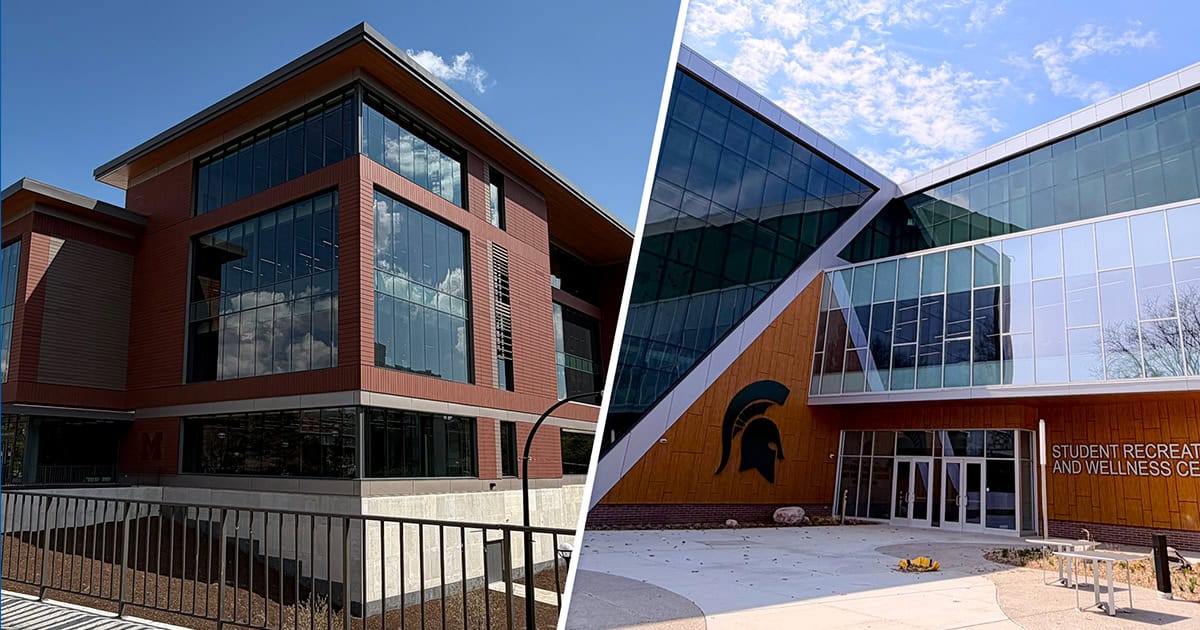
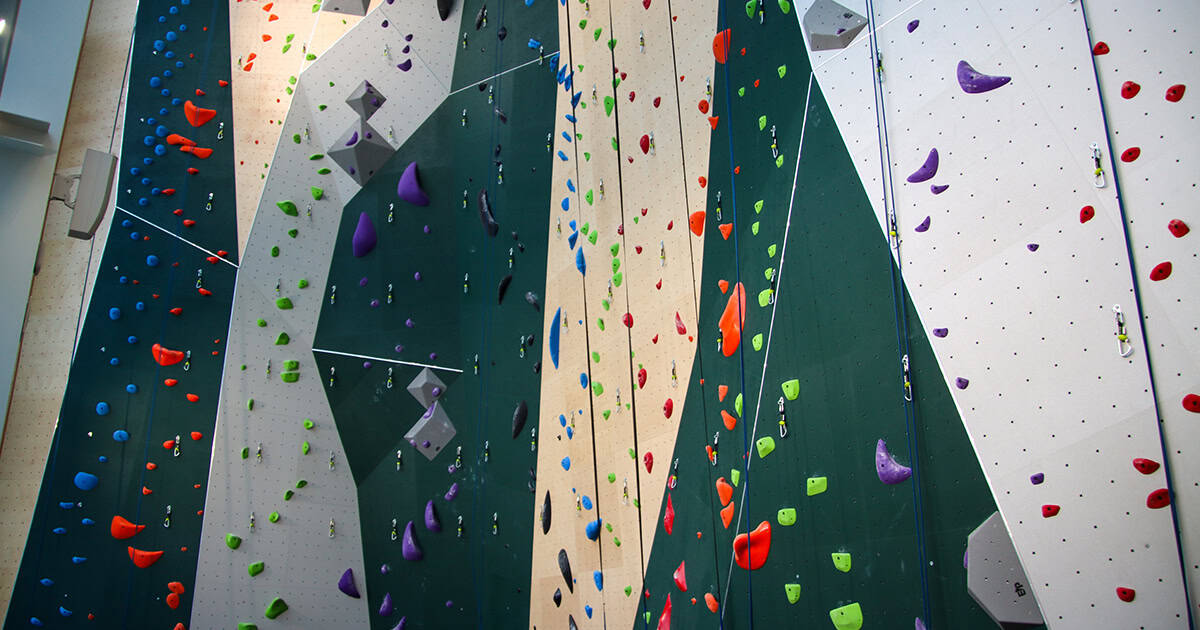
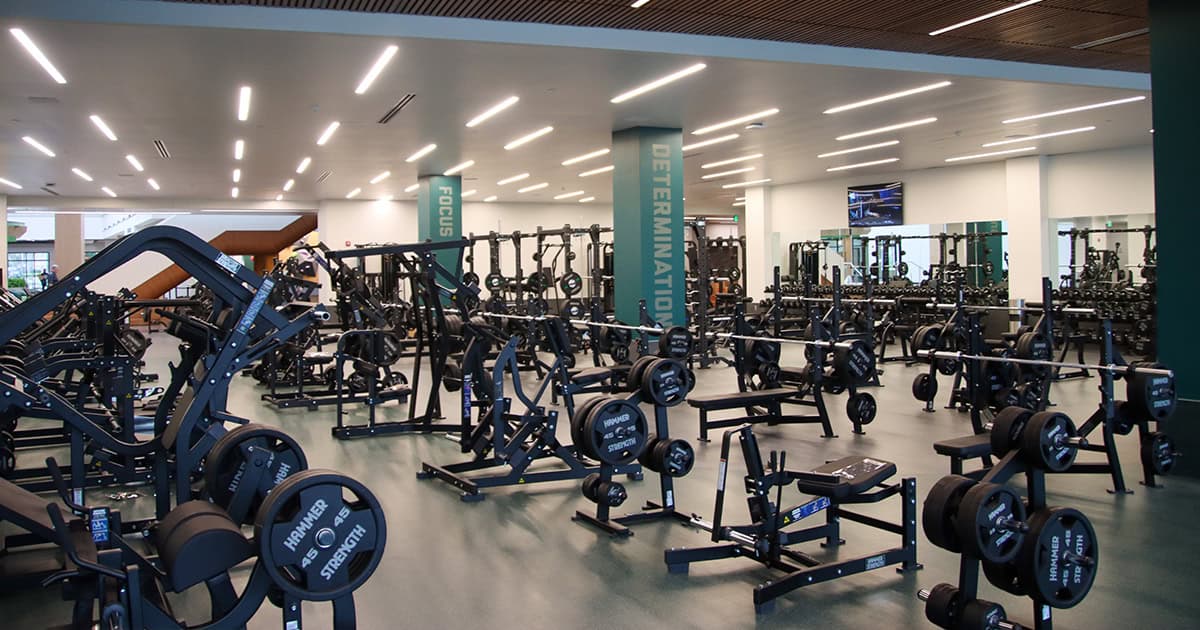
With a soft opening on April 15 and a Grand Opening planned for Fall 2026, Michigan State University’s new $200 million, 293,000-square-foot Student Recreation and Wellness Center replaces the aging IM West facility. This new facility features a 50-meter pool, turf arena, climbing wall, sports simulator, and various fitness studios to improve student health. The project emphasizes sustainability and modern, accessible design.

Behind the scenes
Designing, outfitting, and operating nearly half a million square feet of recreational spaces between the two schools might seem like a daunting task. But Mike Widen, Director of Recreational Sports for Michigan Recreation and Marcus Jackson, Director of Recreational Sports and Fitness Services at Michigan State University share a few insights about leveraging your NIRSA network to benefit students and make the work more manageable. “We lean on our colleagues to inform us about equipment, materials, and supplies,” says Mike.
“Colleagues in NIRSA and the Big Ten Conference helped provide great info on what worked and what didn’t in their own facilities, from equipment in the buildings to what vendors they used to put it there,” says Marcus. “While each campus is different, getting feedback from departments of similar size, student demographics, etc. can help vet ideas before you pay for them and regret it. Getting insight into quality of customer service, longevity of equipment, and other factors goes a long way when coming from others who have utilized them for years,” he says.
Students at the University of Michigan participated in making design and equipment decisions and were supported in grounding their feedback through benchmarking trips to other campuses in the Midwest: “Our network of colleagues have graciously hosted our benchmarking trips and shared their expertise about their facilities that have definitely made our project better,” says Mike. He adds that the trips have “allowed our students and staff to learn from others about how to design a new facility that will maximize the student recreation experience.”
NIRSA can help facilitate those connections, but at a very basic level, you just need to “put your ego to the side and pick up the phone,” says Marcus. “As much as we fight each other on the athletic fields, we relied heavily on the experiences of colleagues like UM, the University of Wisconsin, and others to strengthen our choices,” he says.
Spilling the tea
We asked Marcus and Mike to share a few thoughts with colleagues who are just starting the design phase of a project or those who are already ankle deep in construction dust. Unsurprisingly, their responses center around students: “Involving and educating students in every facet of the project process is critical. The student voices can communicate how impactful these facilities are in improving wellbeing and for building connections in ways that staff voices cannot,” says Mike. Marcus echoes this sentiment, adding, “The culture and priorities of your organization will be seen and felt in the building, so make sure users and operations drive the design of the facility.”
Open communication and clear priorities are also critical to reducing friction and overcoming obstacles during the process: “Communication is critical! It will help with advocacy, expectations, and timelines,” says Marcus. “Setting clear priorities will help distinguish your ‘need to have’ spaces from your ‘nice to have’ spaces. Project budgets are always challenging, so priorities matter,” adds Mike.
And of course they shared a few very practical tips too: “Storage! Storage! Storage!” says Marcus. So, just assume you can never plan for too much storage. And, converted racquetball courts might be functional, but they’re hardly fashionable. So, “Build spaces that can be flexible and change over time,” says Mike.
Join us in congratulating NIRSA institutional members the University of Michigan and Michigan State University!
- NIRSA publishes articles on a wide variety of topics related to collegiate recreation, including member spotlights, commentary and views, and program/initiative features. If you are interested in writing for NIRSA, pitch us your ideas.