Biography
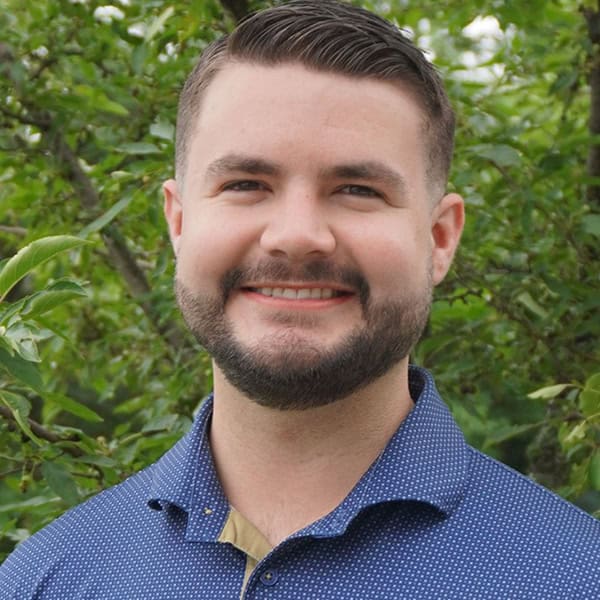
Matthew Petrie started his campus recreation journey as a lifeguard at the James Madison University Recreation Center. He quickly became a Lifeguard Manager and then an Operations Supervisor by his Junior year. He fell in love in this role and decided to explore more into the field and learned about NIRSA which sparked his ambition for campus recreation. Matthew decided to alter career paths and after graduating JMU with a bachelor’s in Political Science, he accepted a Graduate Assistantship at Georgia Southern University at the Shooting Sports Education Center and became the Georgia State Student Leader. Matthew is now pursuing his master’s degree in Sports Management.
Questions & Responses
Describe your personal perspective on the role of collegiate recreation within higher education. In your response, explain how being involved with collegiate recreation has impacted your own growth and development as a student.
I believe that a campus recreation center is more than a place to sweat. It plays a vital role in higher education by supporting student well-being, fostering community, and developing future leaders. It is an educational space that teaches responsibility, teamwork, and lifelong wellness. Recreation builds character, promotes inclusion, and helps students discover who they are and what they can achieve. During my time at James Madison University (JMU) and now at Georgia Southern University (GSU), I have seen how collegiate recreation transforms students by teaching leadership, discipline, and confidence in both personal and professional settings.
My involvement began as a Lifeguard at JMU. As I gained experience, I became a Lifeguard Manager where I supervised peers and upheld high standards. Later, as an Operations Supervisor, I managed building security, event logistics, and emergency response while serving as a liaison between professional staff and student employees. This role strengthened my communication and decision-making skills and taught me to balance professionalism with empathy. It also deepened my appreciation for the teamwork and coordination that sustain a recreation department.
These experiences shaped my understanding of recreation’s role in higher education. It is not just about programs but creating opportunities for growth and belonging. College is a time when students learn who they are and how to manage independence. Recreation gives them an outlet to relieve stress, maintain wellness, and find community. It also allows them to apply knowledge, like leadership and communication, in real-world settings. I have seen students grow into confident leaders through the mentoring and development offered in recreation.
At GSU, I have continued this journey as a Graduate Assistant. This role allows me to help student employees grow as I once did. I lead trainings, mentor staff, and assist with event management while promoting a positive and inclusive environment. Having once been in their position, I understand their challenges and help them balance academics, work, and personal growth. Each interaction is an opportunity to lead by example and inspire others to succeed.
Being part of collegiate recreation has taught me adaptability, communication, and optimism. I have learned to stay calm under pressure, connect with diverse people, and recognize potential in others. Through recreation, I have found purpose that combines service, leadership, and education.
Campus recreation is the heartbeat of campus life. It builds community, fosters belonging, and creates lifelong connections. It teaches that wellness is not only physical but emotional, mental, and social. For me, it has been the foundation of my growth and professional calling. Recreation is essential to higher education, giving every student the chance to find belonging, confidence, and purpose.
Share the ways you have been involved with NIRSA (e.g., volunteering, presentations, previous leadership roles, etc.). Explain how these experiences have prepared you to represent and advocate for students in collegiate recreation.
This past year, I was honored to be elected as the Georgia State Student Leader, where I had the opportunity to serve on the Student Lead-On Committee alongside other state student leaders in Region II and the Region II State Student Leader. Together, we collaborated on creating and facilitating the Student Lead-On Welcome Session at the NIRSA Region II Conference in Charlotte, NC. Working with other passionate and likeminded leaders who shared the same enthusiasm for campus recreation was an inspiring and enriching experience. We exchanged ideas, developed strategies, and supported one another in building a program that empowered students to connect and grow within the field.
The work that our committee accomplished at the Region II Conference reignited and deepened my passion for collegiate recreation. It reminded me why I love this field as it brings people together through shared experiences, teamwork, and personal growth. Seeing students leave the event motivated, confident, and ready to make an impact on their own campuses was incredibly fulfilling. It reinforced my belief that campus recreation is about far more than just facilities or programs, it is about helping people find belonging, balance, and purpose. The experience also made me reflect on the mentors who saw my potential and invested in my development, shaping me into the leader I am today. That reflection strengthened my sense of responsibility to do the same for others, to help young professionals discover their potential, achieve success in this field, and grow into the best versions of themselves. This realization continues to drive me to be a strong advocate for collegiate recreation as an essential part of the student experience.
During the fall semester, Georgia Southern University hosted the NIRSA Flag Football Championship Series, and I was fortunate to volunteer on the Hospitality Committee. In this role, I helped coordinate, deliver, and serve food and beverages to officials, event organizers, and players while ensuring a welcoming and professional environment. This experience provided me with hands on opportunities to strengthen my skills in leadership, communication, and service. Working closely with participants, staff, and officials to ensure the event ran smoothly gave me a deeper understanding of what it takes to create positive and meaningful recreational experiences.
Handling logistics, supporting teams, and assisting with event operations taught me the importance of balancing professionalism with approachability. It also allowed me to witness firsthand how inclusive, well-organized events can bring people together, foster wellness, and build school pride. These values of community, connection, and growth are at the heart of why I continue to advocate for students in collegiate recreation. Every event, whether local or regional, is a reminder of how this field changes lives by creating spaces where students can lead, learn, and belong.
Within the context of the NIRSA Strategic Plan, what area/item would you say is a major issue students face today? How would you address this issue during your term?
A major issue students face today within the context of the NIRSA Strategic Framework is wellbeing, specifically the struggle to maintain balance amid increasing academic, social, and personal pressures. The framework emphasizes that wellbeing is a multifaceted system that impacts both students and professionals, highlighting the importance of adapting to shifting mental health needs and competing priorities. Students today face more stress than ever as they balance coursework, employment, social life, and uncertainty about the future, all while trying to maintain their physical and mental health.
From my experience as a student, I have seen how many struggle to find time for self-care, community engagement, and reflection. Recreation centers provide valuable tools to address these challenges, yet many students do not fully understand the role recreation plays in improving their wellbeing. The NIRSA Strategic Framework calls for systems change, equitable wellbeing, and impactful storytelling to strengthen how recreation departments address wellness on campus. To meet this vision, student leaders and recreation professionals must move beyond traditional programming and focus on creating inclusive spaces that connect wellness to belonging, purpose, and growth.
During my term, I would focus on addressing student wellbeing through connection, education, and collaboration. I would work to increase awareness of how recreation supports mental and emotional health, not just physical fitness. This could include campaigns and workshops that highlight recreation as a tool for stress management, mindfulness, and social connection. I would help promote peer mentoring initiatives that foster belonging and accountability among participants. Many students feel isolated and connecting them with peers who share similar goals can build confidence and engagement.
I would collaborate with departments such as counseling, residence life, and student wellness to create holistic programs that align with NIRSA’s goals of innovation and collaboration. Working together would ensure recreation programs are inclusive, accessible, and reflective of the diverse needs of today’s students.
Storytelling plays a key role in sustaining these efforts. Sharing the stories of students who have benefited from recreation programs helps communicate their impact to campus leadership and shows that recreation supports academic success, retention, and personal growth. By amplifying these voices, we can show that recreation is not just a place to work out, but a central part of higher education’s mission to support the whole student.
I would address the issue of student wellbeing by promoting intentional programs, partnerships, and conversations that connect recreation to mental health, community, and belonging. Through collaboration and advocacy, I hope to strengthen the role of recreation as an essential part of higher education and ensure every student has the opportunity to thrive.
The Student Leadership Team focuses on student development, and Student Member recruitment and retention. What skills, talents, and perspectives would you bring to the Student Leadership Team that would contribute to this focus?
I would bring a blend of leadership, mentorship, and student-centered experience to the NIRSA Student Leadership Team that directly supports its focus on student development and membership growth. My background in campus recreation, education, and leadership has given me the ability to connect with students, foster belonging, and promote professional engagement through meaningful relationships and development opportunities.
Having served as the Georgia State Student Leader and as a Graduate Assistant at Georgia Southern University’s Shooting Sports Education Center, I have developed strong communication and organizational skills that help me unite diverse groups toward shared goals. I have worked closely with students and professional staff to plan regional and state conferences, lead trainings, and create spaces where students can learn, grow, and discover their passions within collegiate recreation. These experiences have strengthened my ability to collaborate, lead with empathy, and inspire others to get involved.
I also bring a unique perspective as someone who started as a student employee and grew into a leadership role. My journey from Lifeguard to Operations Supervisor at James Madison University allowed me to see firsthand how mentorship, feedback, and empowerment transform student employees into confident leaders. As part of the Student Leadership Team, I would apply these lessons to create initiatives that strengthen mentorship networks and ensure that every student member feels supported and valued.
Student recruitment and retention thrive when individuals feel a sense of purpose and community. I believe in creating a culture of inclusion and engagement where students see themselves not only as employees or participants, but as future leaders in collegiate recreation. Through storytelling, outreach, and collaboration with regional networks, I would highlight the success stories of student members to inspire others to get involved with NIRSA.
My background in teaching and facilitation also allows me to approach leadership through an educational lens. I value development over direction—helping students understand their strengths, discover their potential, and apply what they learn to both their campus and future careers. This aligns directly with NIRSA’s mission of advancing wellbeing, leadership, and lifelong learning.
Ultimately, I bring a perspective rooted in service, mentorship, and authentic connection. My goal would be to continue building a student community that feels empowered, informed, and inspired to stay engaged long after graduation. By combining hands-on experience, communication skills, and a genuine passion for student growth, I am confident I can help advance NIRSA’s vision for student leadership, recruitment, and development across the association.
Describe what role you typically take on a team and how your leadership style will contribute to the Student Leadership Team.
On a team, I naturally take on the role of a connector, encourager, and communicator who enjoys bringing people together and creating a positive, productive atmosphere. I focus on collaboration, trust, and open communication because I believe people do their best work when they feel supported and respected. Whether leading a project, contributing to a discussion, or assisting at an event, I aim to build an inclusive space where everyone feels heard and motivated to contribute.
When I join a team, I prioritize forming genuine connections. I take time to learn what drives people and what strengths they bring so I can help them feel confident and engaged. My positive outlook allows me to bring energy and enthusiasm to group settings, which helps others stay motivated through challenges. When problems arise, I try to be a calm, reassuring presence who focuses on finding solutions and keeping the group united.
Communication is central to how I lead and collaborate. I listen carefully, ask thoughtful questions, and make sure everyone understands our shared goals. I often help bridge different viewpoints and turn ideas into clear, actionable steps. I believe that communication is about inclusion—making sure each person feels their ideas matter. My ability to connect ideas to a shared purpose helps create alignment and confidence, even during stressful or complex projects.
Flexibility is another strength I rely on. In collegiate recreation, plans and priorities often change quickly, and I’ve learned to embrace that environment. I stay adaptable and help others adjust by maintaining perspective and focus. Whether managing an event, supporting a peer, or stepping into a new task, I can shift quickly while staying professional and composed. I see adaptability not as reacting to change but responding with purpose and optimism.
What motivates me most is seeing growth in others. I enjoy helping teammates recognize their potential and celebrate progress. Whether mentoring student employees, supporting classmates, or collaborating with peers, I try to create opportunities for others to succeed. Leadership, to me, is about elevating those around you and empowering them to lead in their own ways.
As a member of the NIRSA Student Leadership Team, I would bring a relational and optimistic style centered on collaboration, inclusion, and growth. My focus would be on helping team members feel supported and engaged while contributing ideas that enhance the student experience in collegiate recreation. I would use my communication skills to build teamwork, my flexibility to navigate challenges, and my enthusiasm for people to create a welcoming, empowering environment. When people feel valued and connected, they can achieve meaningful results and make a lasting impact on their peers and the field of collegiate recreation.
As a member of the Student Leadership Team, you have the opportunity to leave a lasting impact on the field of collegiate recreation. However, we acknowledge and respect that you are a student first. Explain how you maintain a healthy balance between your various responsibilities (student, volunteer, athlete, employee, etc.).
The way I balance my responsibilities allows me to be an effective leader while being available to myself and to those who need and care for me. First and foremost, I am a human being. Before I can help others, I need to make sure I am well mentally, spiritually, physically, and emotionally. This involves staying strong in my faith, checking in with myself, and practicing self care routines to ensure I am mentally sound and ready to take on my other responsibilities.
Second, I am a student, and therefore my academics come next. At my alma mater, James Madison University, I learned a quote from James Madison that says, “Knowledge will forever govern ignorance.” My academics form the foundation of everything else I do and teach me concepts such as leadership theories, communication strategies, and event management principles that I can apply in real world situations, both in campus recreation and in my personal life. This connection between theory and practice reinforces my learning and helps me see how my education shapes the way I serve and lead others. It reminds me that my academics are not separate from my professional or athletic development; they are intertwined, each strengthening the other. I structure my schedule carefully to ensure coursework and deadlines are prioritized. I use planners, digital calendars, and task lists to map out each week, giving myself a clear sense of what needs to be done and when. This helps me stay proactive instead of reactive, which makes it easier to manage multiple commitments at once.
Third, after I have dedicated time to my academics and personal well-being, I am able to effectively apply my time and effort to my work responsibilities. Balancing my role as an employee within campus recreation has been one of the most important lessons in time management and accountability. Working at the Shooting Sports Education Center has given me the chance to practice leadership, teamwork, and communication daily. I take pride in arriving early, being dependable, and handling each shift with professionalism because I know that my actions contribute to the overall student experience and reflect on the department. When my workload increases due to exams, projects, or athletic commitments, I communicate proactively with my supervisors to adjust my schedule or swap shifts as needed. This approach ensures that I never overextend myself and can still meet both academic and work expectations. It also builds mutual respect and trust, showing that I value my role while staying responsible for my studies.